UAE to Exit OPEC: A Statement of Independence, Confidence, and Long-Term Vision
The UAE’s exit from OPEC on May 1, 2026 signals greater autonomy, flexibility, and a long-term economic vision with implications for the investment climate.
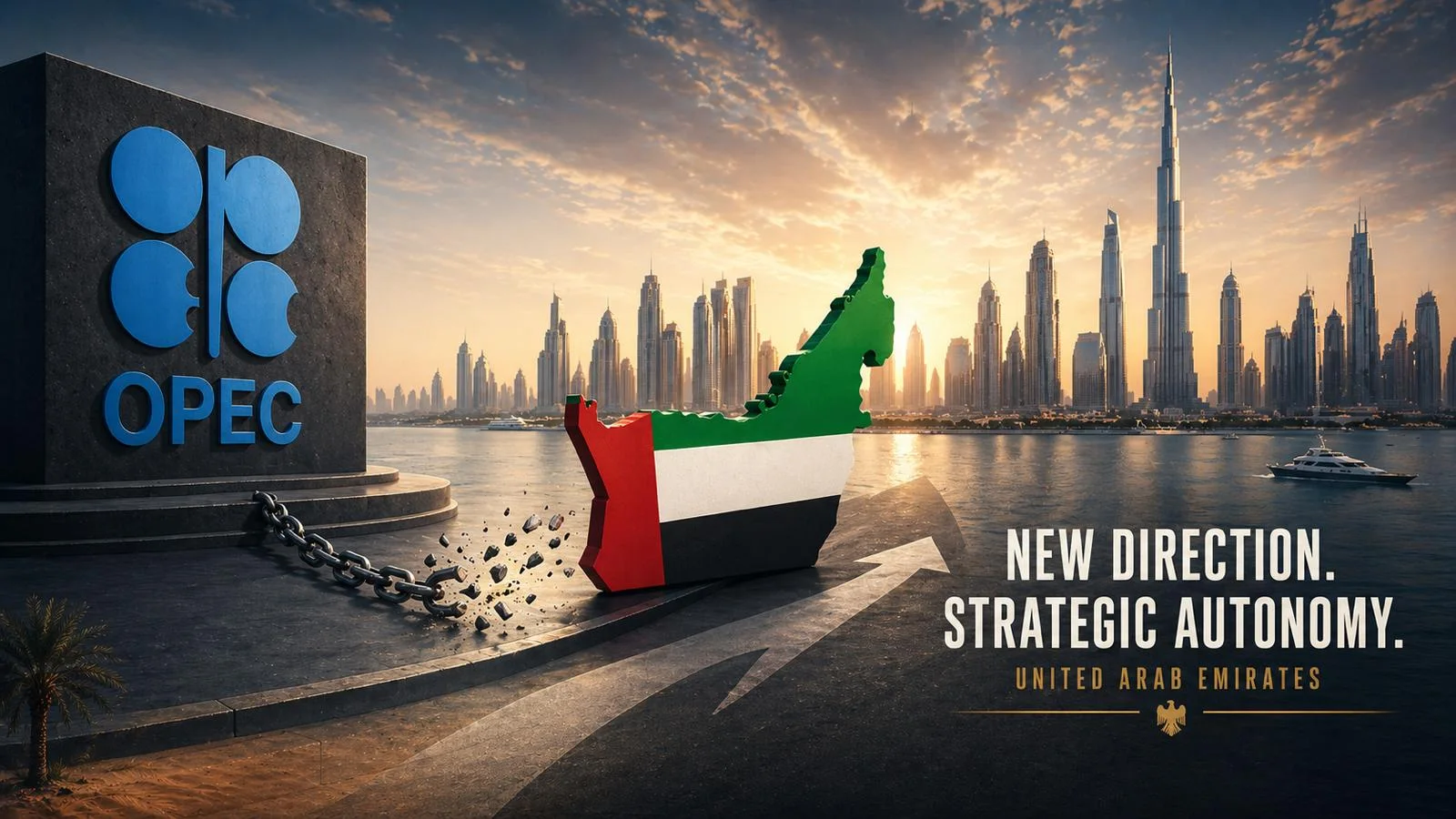
The United Arab Emirates’ decision to withdraw from OPEC and the broader OPEC+ alliance, effective May 1, 2026, is more than just energy news. It’s a strategic statement.
With this move, the UAE is signaling that it no longer wants to be defined solely as part of an oil bloc. It wants to be seen as an independent, sophisticated, and strategically managed nation—one that sets its economic policy according to its own long-term goals, not collective limits. The official news agency WAM stated that the decision reflects the country’s long-term strategic and economic vision and its evolving energy profile.
From Oil Dependence to Managed Economic Independence
The UAE has been a member of OPEC since 1967. Leaving is not a cosmetic change—it’s a historic step. A country that for decades ranked among key oil producers is now sending a clear message: its future will not rest solely on coordinated oil output, but on its ability to manage capital, energy, infrastructure, investment, and global relationships on its own terms.
For investors, the key takeaway is the signal of greater strategic autonomy. The UAE is not saying oil no longer matters. It is saying it wants more flexibility in how it leverages its energy capacity and economic position.
That distinction matters.
This is not a retreat from energy. It’s a shift away from collective decision-making toward independent strategic control.
Greater Flexibility, Faster Response, Stronger Positioning
One of the main reasons this move is closely watched is production quotas. For years, OPEC and OPEC+ coordinated output levels among member states. While that helped stabilize markets, it also constrained countries that invested heavily in expanding their production capacity.
According to analysts, the UAE’s departure could eventually allow greater flexibility in oil production and exports—especially if regional logistics improve. HSBC noted that the short-term market impact may be limited, but over time the move could weaken OPEC+’s ability to coordinate supply.
For investors, however, the more important message is different: the UAE does not want to wait for consensus. It wants the ability to act faster, more independently, and in line with its own economic priorities.
In a world where capital seeks stability, decisiveness, and predictable leadership, that is a meaningful signal.
What This Says About the UAE as an Investment Destination
Leaving OPEC can be seen as another chapter in the UAE’s long-term transformation—from a regional oil player to a global hub for capital, trade, technology, real estate, logistics, and financial services.
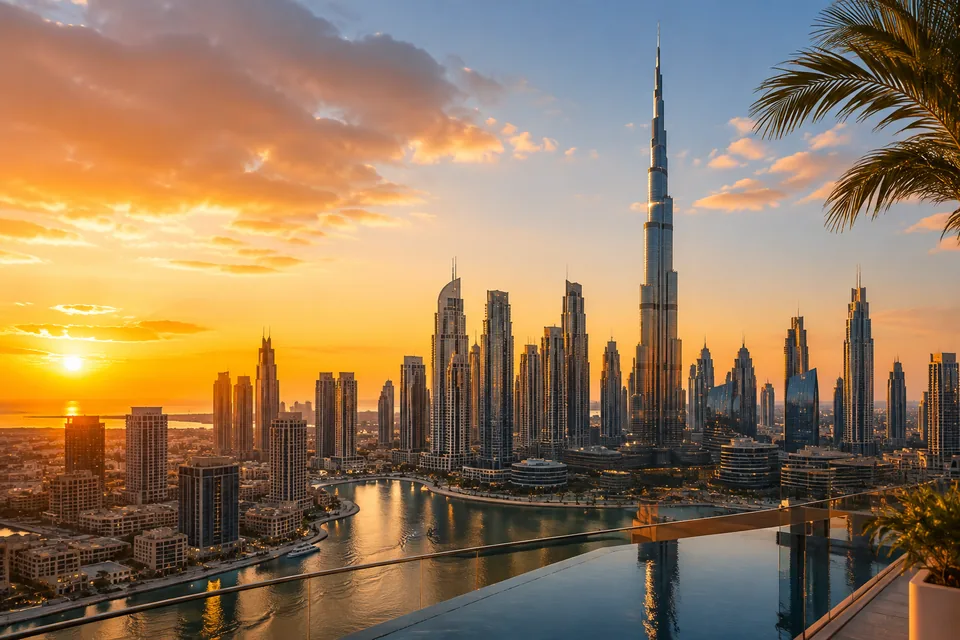
For years, the UAE has been building an economy that does not rely solely on commodities. Dubai is one of the most visible examples of this transformation—a city built on services, tourism, real estate, security, infrastructure, innovation, and international capital.
At the same time, Abu Dhabi remains a powerful energy and investment center. The combination of these two models—Abu Dhabi’s energy strength and Dubai’s global commercial brand—creates a unique position for the UAE.
This move may further reinforce the perception of the UAE as a country confident enough to shape its future according to its own long-term strategy.
A Signal for Capital Inflows
For some investors, the UAE’s decision may appear geopolitically significant. At the same time, it can strengthen the country’s image as a state unafraid to take control of its own future.
In terms of capital inflows, the implications may include:
- Confidence in national decision-making. The UAE is demonstrating that it is not a passive member of a broader bloc, but an active state with its own vision.
- Greater economic flexibility. More room to manage its own energy policy could enhance fiscal capacity and investment potential.
- Reinforcing the diversification narrative. The UAE is making it clear that its economic future will not be defined by oil alone, but by its ability to connect energy, capital, infrastructure, technology, and global trade.
- A psychological signal to investors. The UAE is positioning itself as a country that is not relying on yesterday’s model of prosperity, but actively building its next phase of growth.
An Indirect but Important Signal for Real Estate
This move alone does not mean immediate property price growth. Markets are more complex than that.
However, from a long-term investor sentiment perspective, it may matter. The UAE real estate market is closely tied to confidence in the country, capital inflows, talent migration, corporate expansion, and perceptions of long-term stability.
If the UAE strengthens its image as an independent, strategically managed, and capital-attractive economy, it may further support investor interest in local assets—including real estate.
Not across the board. Not automatically. But selectively.
The strongest impact is likely to be seen in high-quality assets located in areas that benefit from long-term structural trends: population growth, business inflows, infrastructure development, tourism, security, and international capital.
Conclusion
The UAE’s exit from OPEC is not merely a departure from an organization. It is a strategic declaration.
It signals that the country’s next chapter will not be built solely on its role as an oil producer, but on its ambition to act as an independent global economic player.
For investors, the message is clear: this is a country determined to shape its future proactively, confidently, and in line with its long-term vision.
And those are precisely the kinds of countries that capital tends to follow.
Not because they are risk-free, but because they have a clear direction.
Related Articles